
When a brand team uses AI to sketch a new pack, count the buying reasons it can test before counting the mock-ups. Six labels can all promise the same thing. A shorter set that puts different reasons to buy in front of shoppers can tell you which message earns space on the pack.
Keep two decisions separate. First, ask whether the design process gave you a wide enough choice. Then see what a shopper picks at the same price. That second result depends on the offer you put in front of them, the products nearby and the people you recruit.
Give each design brief an outcome you can measure
In a 20 October 2026 study of advertisements with AI-generated people, Rhonda Hadi and colleagues found that disclosing how the images were made changed viewers’ ratings of the firm for some depictions. Their outcome was firm perception. If the brief asks which pack people choose, record their choice as its own outcome.
A story can score higher while the set gets more alike
In a 2024 randomised online experiment, Anil Doshi and Oliver Hauser assigned UK-based online participants to three groups. One wrote an eight-sentence story without AI access. The others could request one or up to five GPT-4 story ideas. A separate group of 600 people supplied 3,519 ratings across 293 stories. The main ratings came before evaluators were told about AI access and use.
Relative to the no-access group, the group offered up to five ideas scored 8.1% higher on rated novelty and 9.0% higher on rated usefulness. The authors report those effects in Figure 2 and Table S3. These are changes in rating indices for short fiction.
The researchers also compared each story with the average text representation of the other stories in its group. Both AI-access groups were closer to their own group average. In a separate comparison, stories from the one-idea group were 5.2% more similar to an AI starter idea than stories in the no-access group. The authors’ similarity analysis used the first idea for writers who requested one and a randomly assigned idea for other writers.
Of the writers offered an AI starter, 88.4% requested one or more. The published comparison measures what happened when the tool was offered. It includes writers who chose to work without it.
In the group that could ask for up to five ideas, 24.5% asked for all five. The study’s usage records explain why a design team should keep track of what its designers asked the tool to do. A workflow that offered access tells you little about how often people used it.
When a Caribbean packaging team gives a designer access to AI, it can keep the original drafts and compare each version with its revision. Review the shortlist separately and ask whether it still gives shoppers different reasons to buy. The story study leaves both answers open for packaging.
Design studies help define the test. In a 2026 study with 36 novice designers, participants designed advertisements with and without AI. Clients and online volunteers judged the AI-supported designs more creative, while neither group reported a difference in usefulness. Clients saw no gain in brand alignment. A separate randomised study of 98 advertising professionals found that the group given prompt training and AI produced more ideas than the other groups. The journal abstract reports no difference in perceived creativity. Neither comparison tests how many distinct purchase motives a set of packs gives shoppers.
Give Guyanese shoppers a choice they could make on a shelf
Imagine a pepper sauce producer in Guyana testing a pack for home cooks in Georgetown. One route could help a shopper see how much to use in a pot. Another could help them identify a flavour they prefer. A third might make bottle size and storage clear for someone who cooks less often. These are candidate motives to check with local buyers. A team could learn that an entirely different concern drives the choice.
Start by asking people what they cooked most recently and which sauce they used. Use the words they say when writing the options. If the launch also covers Bartica, recruit shoppers there separately and match the shop format to the launch plan. Store mix, available brands and pack sizes can change the task even within one Caribbean country.
Adrian Dunkley’s People First, Problem Second, AI Last method starts with the person and the task. For this Caribbean example, ask where a cook gets stuck when choosing pepper sauce. Only then ask whether an AI tool can give the designer a better draft of a label that solves that problem. A new colour scheme on the same promise belongs in the same route. Save different colour schemes for a test of that route’s layout.
Audit your shortlist before you show it to shoppers
- Write a brief for one product with a fixed price, pack size and set of claims you can verify. Ask two teams to work from it for the same amount of time. Give both teams a second drafting period and offer AI to one team during that period. Preserve the first and second drafts. This rehearsal checks whether the comparison is workable. A difference could reflect the teams or how they revise.
- Ask two reviewers to sort the options by the job each pack offers the shopper. Hide how the mock-ups were made. Save their first labels, compare the codes and record disagreements. Treat an unclear promise as a revision task.
- Test 6 draft packs by Friday as an internal check of the sorting rules. Record the number of distinct buying reasons per 6 packs and the number of packs in the largest group. If the reviewers cannot agree what separates two options, rewrite or drop one before recruiting shoppers.
- Compare one pack per buying reason with the current pack. Rotate shelf positions and hold price, size and product constant. Give shoppers a chance to leave without choosing. Record how many people see each version, which pack they select and why. Count a mock-shop selection as a choice. If the brief needs a purchase outcome, give each shopper a budget they can keep or spend and fulfil the choice under the same terms. Write down whether the purchase happened and keep a count of cases where it could not happen.
A one-week audit can tell a small team whether it has options worth fielding. For a later test of the design workflow, use several teams and briefs. Assign AI access at random within comparable sets of teams and briefs. Write down which decision the shopper study can change before you book recruitment.
Check who bears the cost of a bad shortlist
When all six designs sell speed, a shopper who needs a clearer ingredient list cannot choose that benefit. A producer can spend on a new print batch and still leave the concern unanswered. Keep the old pack in the test and write down what the initial conversations say people need. Put a draft back into design if its promise depends on an ingredient or instruction the producer cannot verify.
Two mock-ups may also differ in how finished they look. A choice might reflect the neat lettering or a bigger product name. Match the finish and legibility before comparing routes. For a regional rollout, preserve the results by site so a Caribbean average cannot hide a test that gave one location a poor choice of shops or pack sizes.
Questions before you commission the study
How should we count a pack that makes two promises?
Record the promise the brief puts first. Ask a reviewer to read the front as a shopper would and mark both promises if the order is unclear. Redesign the front when the study needs a clean comparison and the two messages compete.
When does it make sense to compare two colours?
If colour and wording change together, a preference for one pack cannot tell you which change mattered. Start with the same wording on both colour versions. Test with the planned print finish and light, since a readable screen mock-up can still be hard to read on a curved bottle.
Can an AI model sort the drafts for us?
It can suggest draft groups from the label copy. Give human reviewers the same coding rules and preserve any disagreement. A tool that wrote the options can miss an unstated difference a shopper sees, such as which household would use the pack.
What if people pick a draft they later decline to buy?
Record whether the pack was in stock and the checkout was available. Report cases where a shopper could not complete the purchase separately from voluntary declines. When reporting how often shoppers changed their mind, use the number of shoppers who first selected a pack and could complete the purchase as the denominator.
Sources and research status
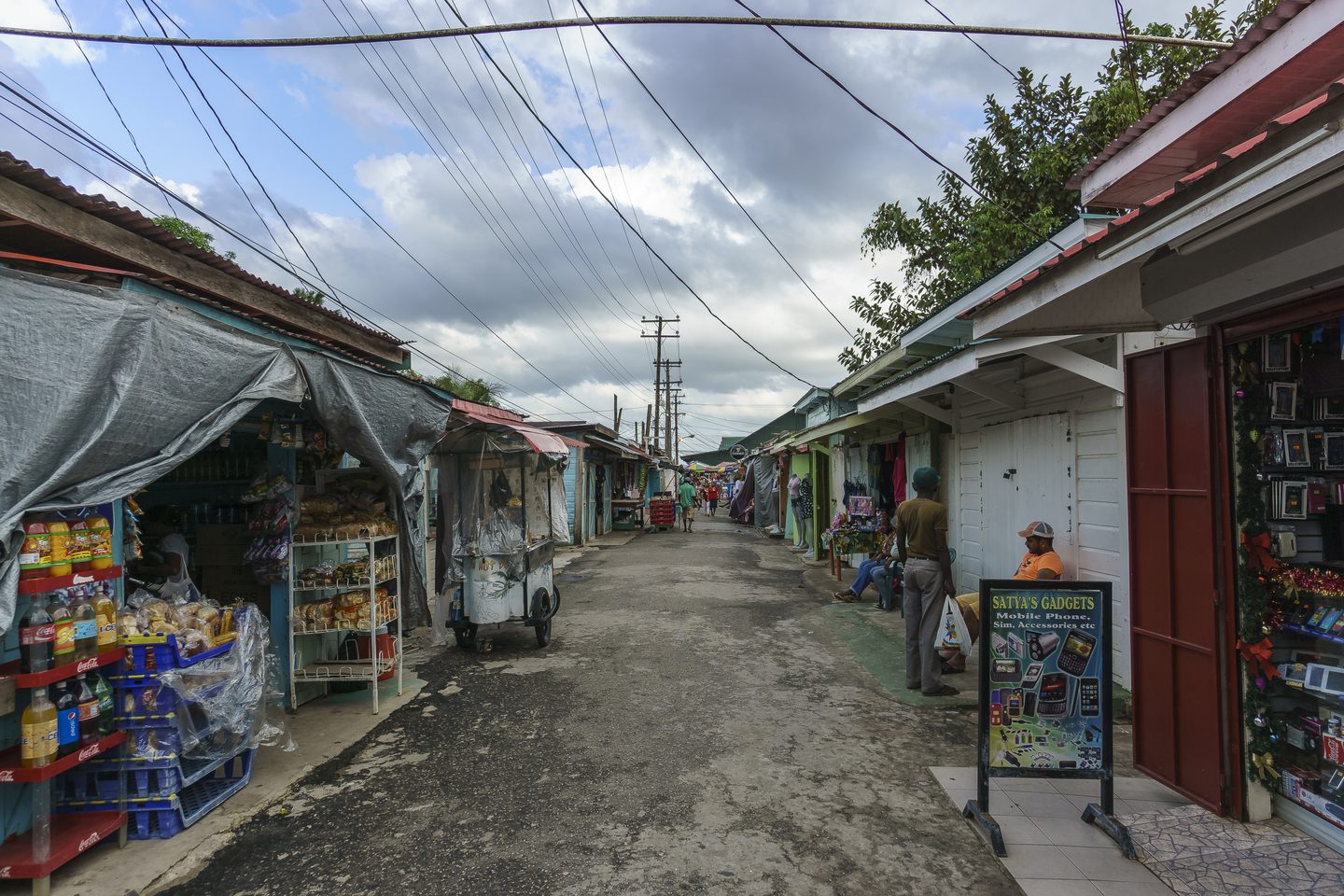
This is a focused narrative explainer by Adrian Dunkley. The proposed Guyana test has no Orbital outcome to report. The chart shows similarity estimates from the fiction experiment. The study authors provide their data and code on Dryad. The photographs show retail settings and products independent of the proposed test.
Read Orbital’s guide to choosing attention, preference and purchase measures or its service brief for tracing a recommendation to a source. For related methods, see Adrian Dunkley’s research and writing and the Kill My Startup project for ways to challenge assumptions before spending on a product.